About Solitaire
The history and appeal of the world’s favorite single-player card game.
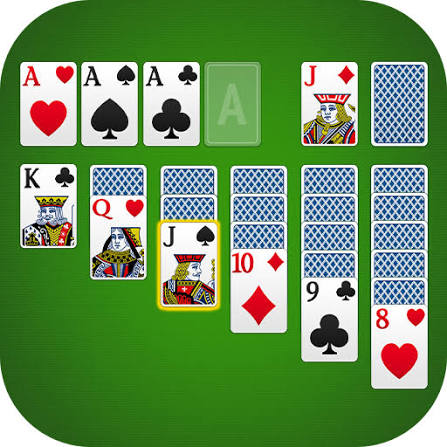
A Brief History
The origins of Solitaire (often referred to as Patience in Europe) are somewhat mysterious. Historical records suggest the game first appeared in northern Europe—likely Scandinavia or Germany—in the late 18th century. It quickly spread to France, where it became a favorite pastime among the aristocracy, including, legend has it, Napoleon Bonaparte during his exile.
The Digital Revolution
While physical cards were the only way to play for centuries, Solitaire experienced a massive surge in popularity in 1990. This was the year Microsoft included “Windows Solitaire” (specifically the Klondike variation) in Windows 3.0. Its original purpose was actually educational: to teach users how to use a computer mouse, specifically the “drag-and-drop” function.
Why People Still Enjoy It
Decades later, Solitaire remains incredibly popular. Its enduring appeal lies in its perfect balance of luck and strategy. It provides a solitary, focused activity that allows players to detach from daily stresses, exercise their problem-solving skills, and enjoy the satisfaction of clearing a difficult board.
Tips for Beginners
- Examine the board first: Before making any moves, look at the face-up cards to formulate a strategy.
- Prioritize larger stacks: When moving cards to reveal hidden ones, focus on the columns with the most face-down cards.
- Don’t empty spots unnecessarily: Only move a King to an empty space if you have a strategic reason to do so.
- Delay the stockpile: Try to make moves using the cards already on the tableau before drawing from the stockpile.
More Frequently Asked Questions
The earliest known written reference to Solitaire dates back to 1783 in a German game rulebook.
In British English and many European countries, the game is called Patience, which accurately describes the temperament required to win the game.
Absolutely! All you need is a standard 52-card deck and a flat surface to lay out the tableau.
Generally, yes. Spider Solitaire (especially the 4-suit version) requires two decks and demands a much higher level of strategic planning than Klondike.